
Not all Jellies Are Made for Biscuits
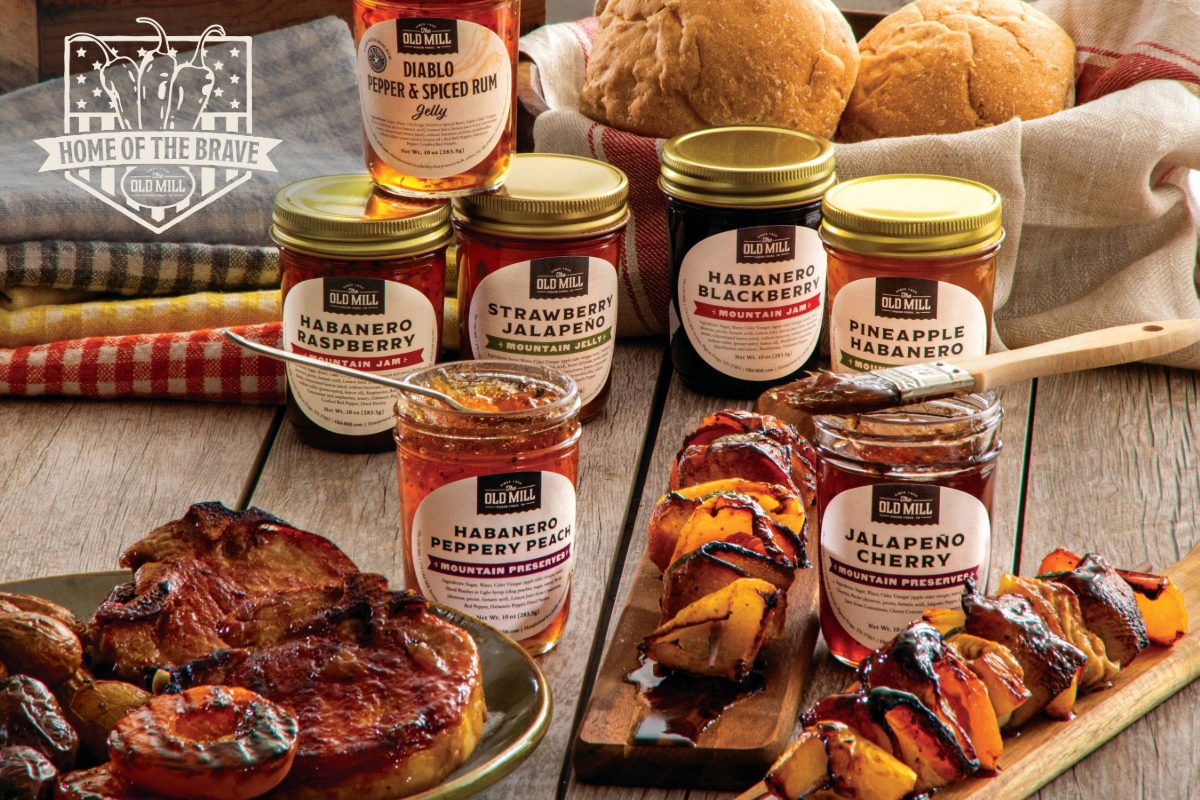
Can you take the heat?
Can you take the heat? Would you consider yourself brave, or even go so far as to say yours is a Home Of The Brave? If you said yes to those questions, then you are in for a sweet heat of a treat! Hint: not all jellies are made for biscuits.
Often thought of as hors d’oeuvres jelly, served over cream cheese to cut the heat a bit, pepper jellies have so much more to offer. The real question is, how much more can you take?
Made the Smoky Mountain Way
We make our Pepper Jellies in small batches with a copper kettle and patience. Something this good takes time. It’s the way jellies, jams, and preserves have been made in the Smokies for generations, and one of the most popular ways to preserve the fresh flavors of the growing and foraging seasons. And, preserving spicy foods has also been popular in our region, going back to relishes and chow chow, where peppers were added to enhance the flavor and brighten the foods during winter.
From Party Favorite to Pantry Staple
Adding peppers to jelly creates a sweet heat that became a trend back more than 50 years ago in the South, however, it didn’t reach the mountains until about a decade or two later, at least not into Pigeon Forge as something you’d buy to take back home as a remembrance of your visit. First, it showed up in community cookbooks from churches and civic organizations, then made its way to kitchens like ours. Mostly, you’d find it served at the holidays, poured over a block of cream cheese and surrounded by crackers. And honestly, that’s probably still one of our favorites.
Among the first versions of this was a sauce or condiment named Jezabel Sauce, made from a blend of jelly and preserves with crushed red pepper, dry mustard, and cracked black pepper mixed in. It got its name from the Biblical story of a woman named Jezebel, the wife of a King, who had a bit of a wild streak. Even Dolly Parton mentions it in Steel Magnolias, the word Jezebel, that is, not the sauce.
When we started making Pepper Jellies (some are jams and preserves too), you wouldn’t find them spread on a biscuit or toast, but add a little country ham on there, and we’re tempted. In addition to the party dish, we love to add that sweet heat to traditionally savory foods like chicken and pork.
How Hot Is Hot?
Now, when it comes to pepper jelly, the heat runs the scale. That scale would be called the Scoville Heat Scale, which measures the Scoville Heat Units, or SHU, of a pepper. It starts with a bell pepper, which is a zero, and runs on up to a Carolina Reaper that measures up to 2.2 million units of heat. And as you go from pepper to pepper, the numbers jump quickly.
Find Your Perfect Pepper
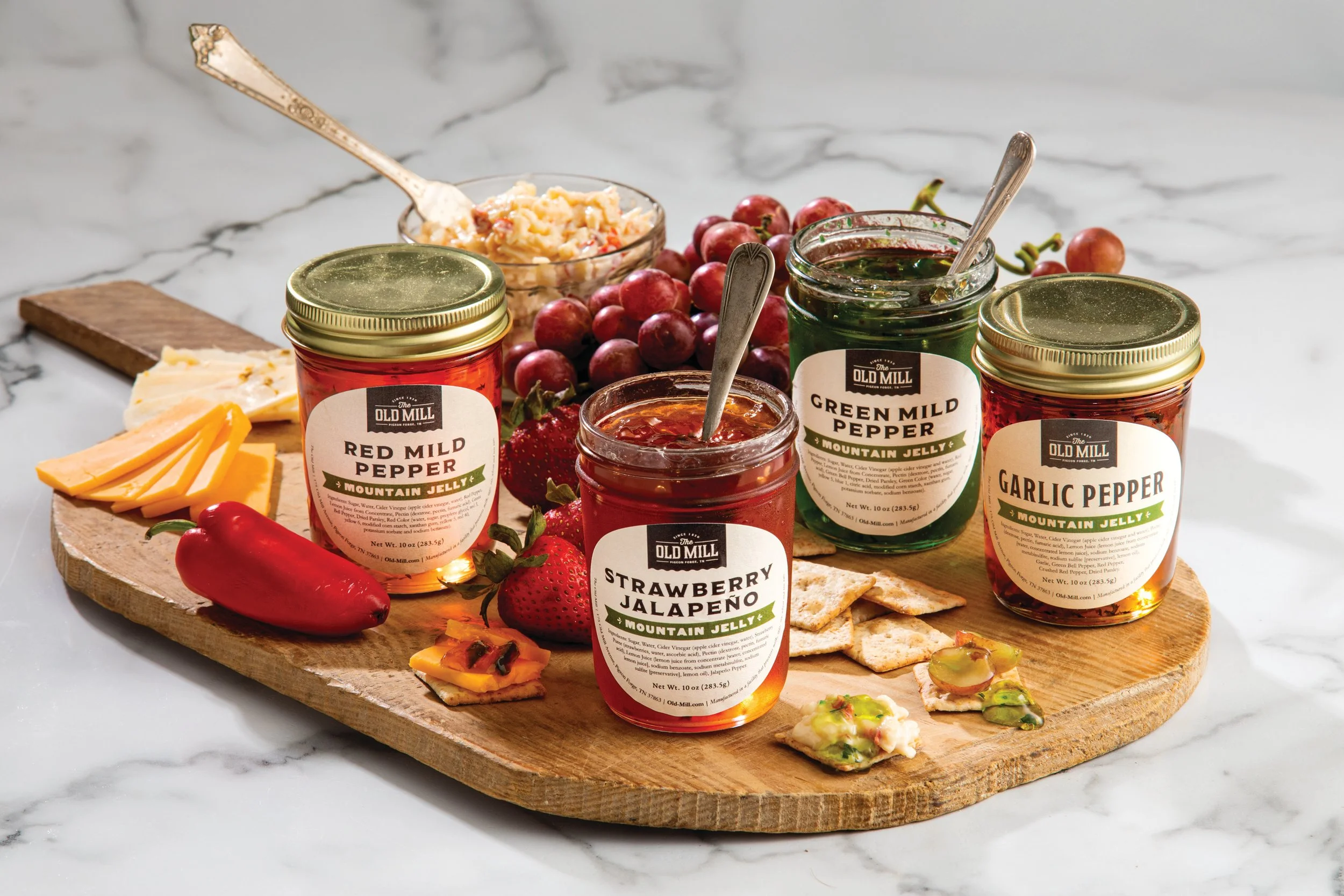
If the label says pepper, it could mean that we just have a bell pepper in it, like in our Cranberry Pepper Jelly, but from there, we turn it up. We started with adding jalapenos. It’s considered a mild heat coming in at 2,500 to 8,000 on the scale. If you see crushed red pepper in the ingredient list, then it could range from 15,000 to 30,000, and we top out with habanero pepper that measures 100,000 to 350,000.
For several of our jellies, you’ll find a blend, such as our Diablo Pepper & Spiced Rum Jelly, part of our Heritage Line. It uses rum from our Old Forge Distillery, which adds a whole different kind of heat. The blends of peppers can run the gamut of heat anywhere in between. The milder peppers can dilute the hotness of the habanero, but depending on the taster, it can still catch you ablaze! And while each pepper brings its own level of heat, the intensity is also determined by how much is used in each recipe.
For Those Who Like It Hot
Now, if you are truly among the brave, and a habanero barely makes you break a sweat, you’ll find all kinds of heat in our hot sauces and seasonings, where, yes, you can find the diabolical Ghost Pepper. And we’ve got a few items from our mill that can light up a meal, such as our Yellow Jalapeno Self-Rising Cornmeal and Fried Green Tomato Breading. Our pickles and chow chows have a few options too, like Candied Jalapenos, Five Pepper Chow Chow, and Hot Bread & Butter Pickles.
Let it never be said that those of us in the Smokies aren’t brave enough to walk through the fire and come out the other side!
If you want to taste the fire, stop by our Old Mill Farmhouse Kitchen and see what we’re sampling. We also have a couple of recipes where we’ve used pepper jellies as a glaze, and they just might spark some creativity in your own kitchen.
RECIPES: Jalapeno Cherry Chicken Kabobs and Habanero Peach Pork Chops